
Benefits of Ice Packs: Reduce Swelling, Numb Pain, and Speed Healing After Injury
Ice packs and heat packs are two of the most accessible, low-cost tools in home care for managing pain, injuries, and recovery.
Both fall under thermotherapy—using temperature to influence how the body responds to stress, trauma, or overuse—but they work in opposite ways and shine in different scenarios.
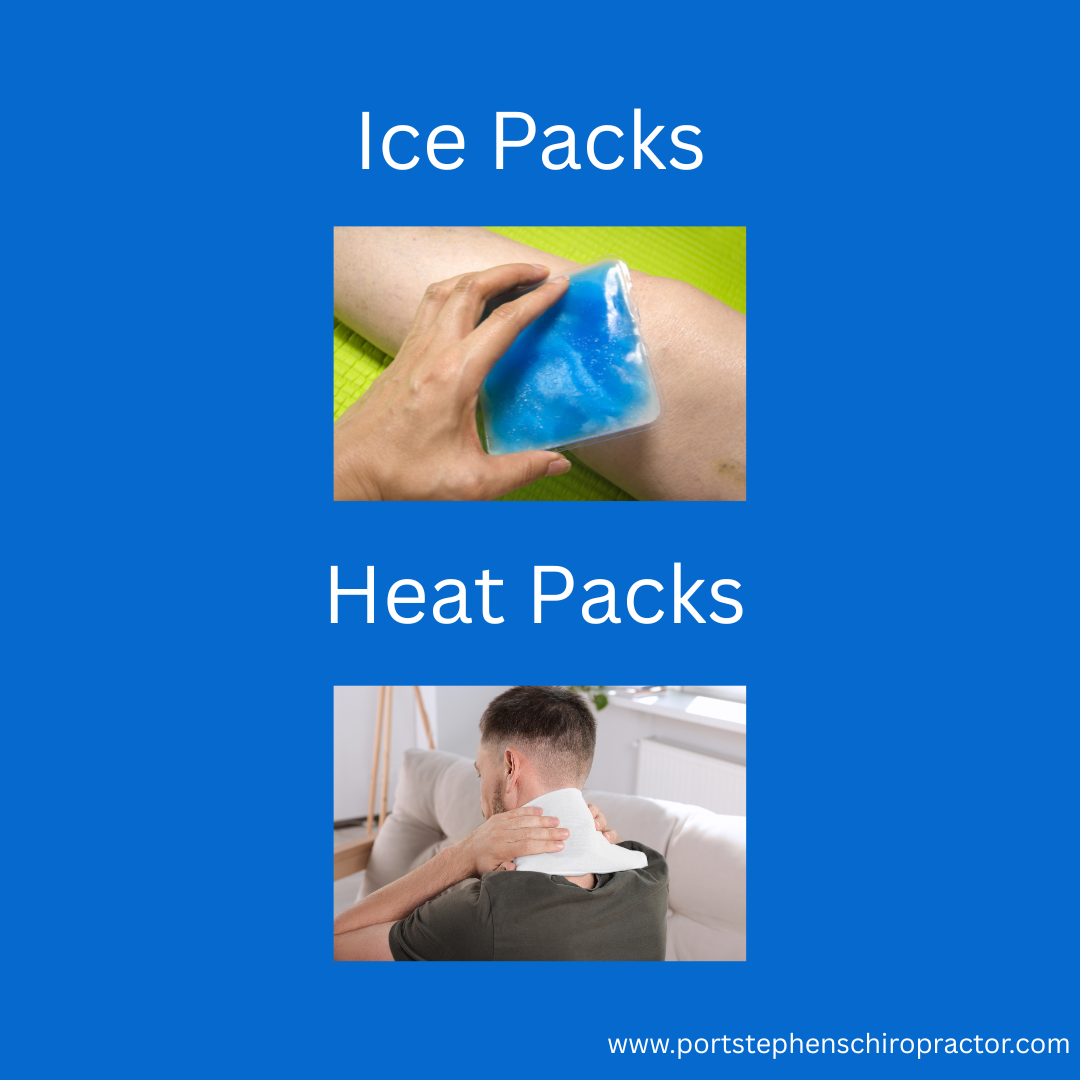
Heat packs (warm compresses, heating pads, or moist heat like warm towels) increase blood flow through vasodilation, bringing more oxygen and nutrients to tissues.
- This relaxes tight muscles, reduces stiffness, eases spasms, and improves flexibility in connective tissues.
- Heat excels for chronic issues like ongoing muscle soreness, arthritis-related joint stiffness, or pre-activity warm-ups.
- Heat packs can flush out metabolic waste (like lactic acid buildup after exercise) and promotes healing once acute inflammation has subsided.
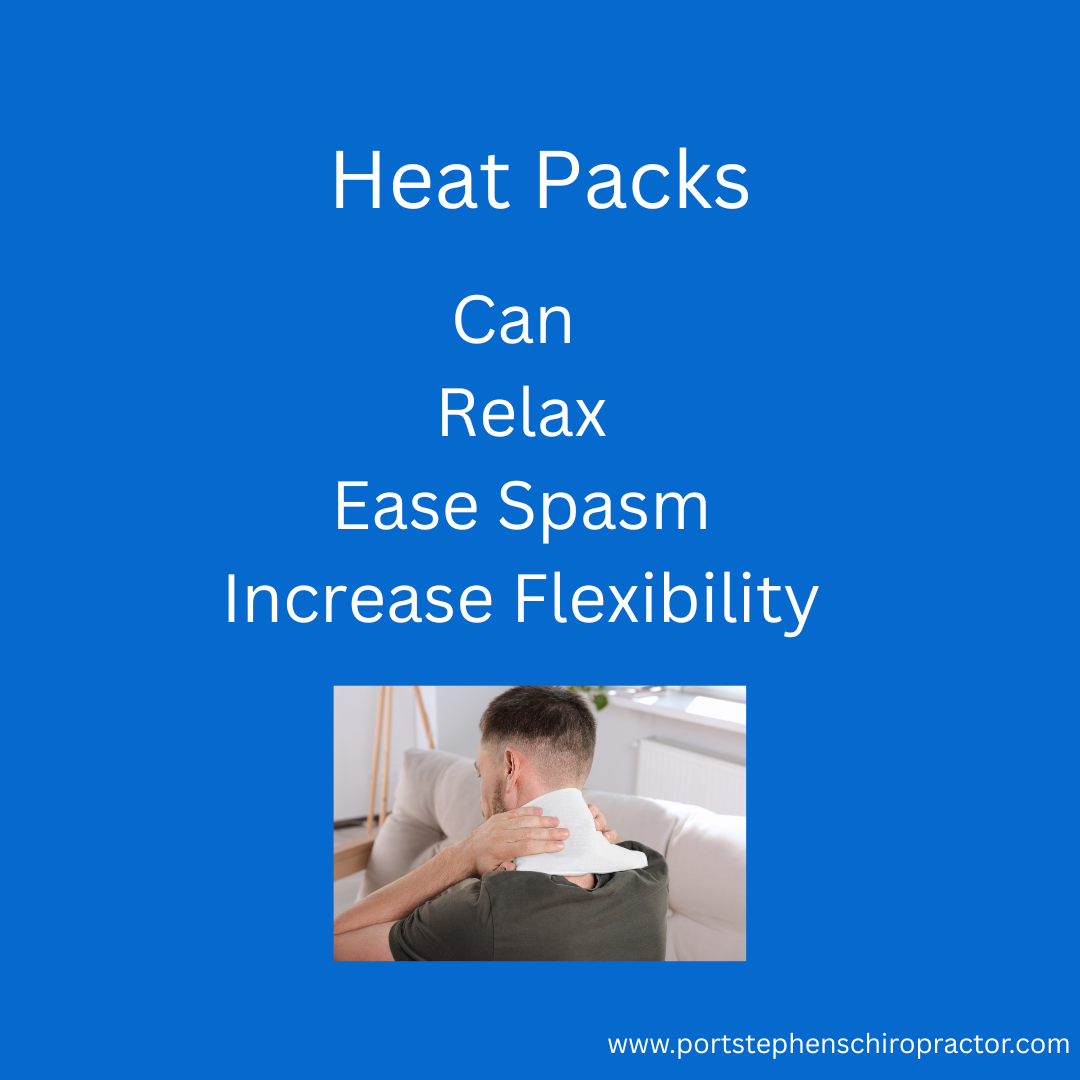
Ice packs (or cold therapy/cryotherapy, including gel packs, frozen veggies, or ice wrapped in a cloth) do the reverse:
- Ice Packs trigger vasoconstriction, narrowing blood vessels to limit blood flow.
- Reduces metabolic activity in the area, slows cell processes, and curbs excessive inflammatory responses.
- The result? Less swelling, minimized bruising, and a numbing effect on nerves that dulls pain signals.
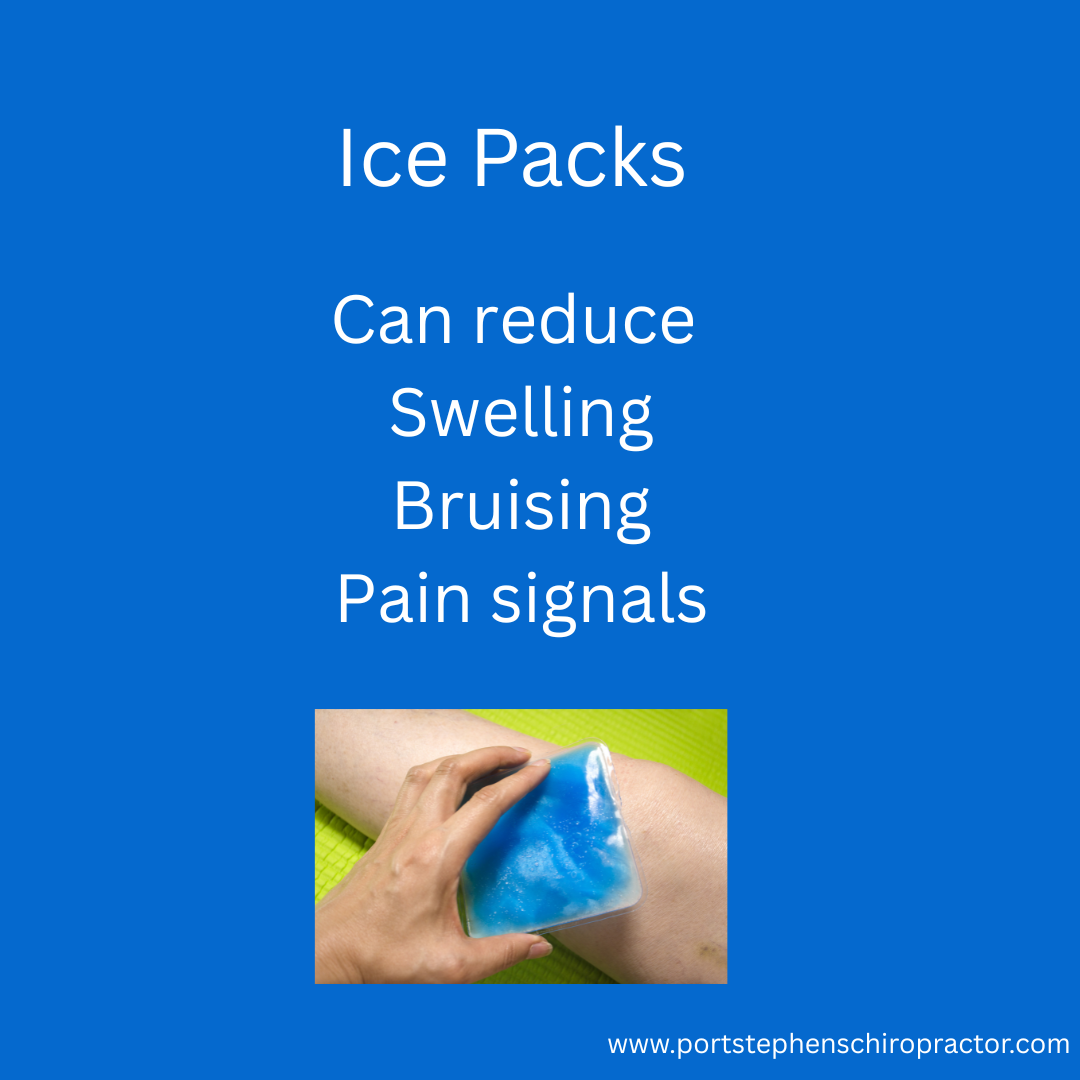
While both provide relief, evidence from sports medicine, physical therapy guidelines, and reviews (like those from Johns Hopkins Medicine, Harvard Health, and Mass General Brigham) consistently points to ice packs as the stronger choice for acute situations—the first 48–72 hours after injury, or whenever swelling and fresh inflammation dominate.
Heat can sometimes worsen early-stage swelling by increasing fluid leakage into tissues, so it’s generally avoided right after trauma.
The benefits of ice packs stand out particularly in these key areas:
- Rapid reduction of swelling and inflammation
Acute injuries—like sprains, strains, bruises, or post-workout overuse—trigger the body’s immune response, flooding the area with fluid and inflammatory chemicals. This protects the site but often overdoes it, causing painful edema that delays recovery. Ice constricts vessels, dramatically cutting fluid buildup. Studies on soft-tissue injuries show this vasoconstriction limits hematoma formation and excessive edema, helping control the inflammatory cascade without fully halting necessary healing signals. - Effective pain numbing and immediate relief
Cold slows nerve conduction velocity, essentially putting a temporary “pause” on pain signals. This analgesic effect is quick—often noticeable within minutes—and doesn’t rely on medication. For acute pain from twists, impacts, or intense workouts, ice provides targeted numbing that makes movement or rest more bearable. In delayed onset muscle soreness (DOMS) research, cold applications (especially within the first hour post-exercise) significantly lower pain scores in the initial 24 hours. - Minimizing secondary tissue damage
By lowering local temperature and metabolism, ice reduces enzymatic activity and cell breakdown in damaged areas. This protects tissues from further harm during the early inflammatory phase. In sports medicine, cryotherapy is a staple for post-injury management because it helps contain the injury’s scope, potentially speeding overall recovery timelines. - Versatility for sports, everyday injuries, and post-exercise recovery
Athletes rely on ice packs after games or hard sessions to curb soreness and inflammation from micro-tears in muscles. It’s ideal for runner’s knee, tendonitis flares, or acute back strains. Even in non-athletic scenarios—like a twisted ankle or banged shin—ice is the go-to for the classic R.I.C.E. protocol (Rest, Ice, Compression, Elevation), though modern adaptations emphasize protection and gentle movement alongside it. - Low risk when used properly, with fast application
Ice packs are simple: 10–20 minutes on, 30–60 minutes off to avoid skin damage or excessive cooling. Wrap them in a thin towel to prevent frostbite. Most people tolerate cold well, and the benefits appear quickly without side effects like drowsiness from pain meds.
Heat has its place—after swelling drops (usually after 48–72 hours), for chronic stiffness, or to prep muscles before stretching/exercise.
Some protocols alternate them (ice to control swelling, then heat to promote flow), but for pure acute relief, ice takes priority.In short, while heat soothes and restores, ice protects and calms the storm of fresh injury.
If you’re dealing with a new tweak, recent workout inflammation, or sudden pain with visible swelling, reach for that ice pack first—it’s often the smarter, evidence-backed move for faster comfort and better early recovery.
How To Use Ice Treatment Effectively
- Cover the ice pack with a towel
- 10-20 minutes on specific area
- 10 minutes off
- Repeat

Benefits of Ice Packs: Reduce Swelling, Numb Pain, and Speed Healing After Injury
Benefits of Ice Packs: Reduce Swelling, Numb Pain, and Speed Healing After Injury Ice packs and heat packs are two of the most accessible, low-cost tools in home care for managing pain, injuries, and recovery. Both fall under thermotherapy—using temperature to influence how the body responds to stress, trauma, or overuse—but they work in opposite…

How Chiropractic Care Can Support Hormonal Balance for Men, Women, Teenagers, and Cancer Immunotherapy Patients
In our busy lives around Port Stephens, hormonal imbalances often fly under the radar—but they can quietly disrupt energy, mood, sleep, weight, and overall vitality. From the hormonal shifts of puberty and menstrual cycles to the challenges of andropause, menopause, and even the side effects of advanced cancer treatments like immunotherapy, balance is key to…
Chiropractic Care: Helping Your Brain and Body Stay Sharp as You Age
Ever notice how a stiff back or neck can make everything feel a bit harder? Maybe you’re waking up creaky, or you’re worried about staying active and independent as the years go by. You’re not alone—lots of us want to keep moving freely, thinking clearly, and enjoying life without constant aches holding us back. At…
 Port Stephens Chiropractic & Yoga